
What is a Whole Food Plant-Based Diet?
A WFPB diet focuses on eating mostly whole, minimally processed plant foods while limiting processed foods and animal products. Here’s what it looks like:
Plants First – Fruits, vegetables, whole grains, beans, legumes (lentils, peas, peanuts), nuts, mushrooms, and seeds.
Whole Foods – Choose foods in their natural or minimally processed form, like brown rice, quinoa, oats, and fresh or frozen produce, tofu, lentils instead of refined or processed versions.
Limit Processed Foods – Avoid foods high in refined grains, added sugars, unhealthy saturated and trans fats, sodium, and artificial additives. These are usually shelf stable or refrigerated products with more than 5 to 10 ingredients (most of which are difficult to pronounce - like butylated hydroxytoluene and sodium nitrite).
Minimize Animal Products – Meat, dairy, eggs, and seafood are limited or optional. Some people eliminate them entirely; others may include small amounts of healthier options like non-fat dairy, egg whites, or oily fish.
Healthy Fats – Non-saturated fats from plant sources like nuts, seeds, avocados, and olive oil. Avoid coconut oil and palm oil - both are saturated fats that increase bad cholesterol.
Variety and Balance – Eating a wide range of colorful plant foods ensures good nutrition and makes meals enjoyable.
This approach supports heart health, metabolic health, and reduces inflammation promoting health and healing.
Epigenetics & Nutrition
Epigenetics is the way your body controls how your genes are “turned on or off” without changing the DNA itself. Environmental factors—like what you eat, how you move, and your lifestyle—can influence this process, which in turn affects your health.
Nutrition is one of the most studied factors in epigenetics. The foods and nutrients you consume can directly influence gene activity, helping protect against disease and supporting long-term health. Early-life nutrition, in particular, can have lasting effects on DNA regulation and impact your risk for age-related conditions.
For example, calorie restriction (without malnutrition) has been shown to reduce inflammation and may even extend lifespan in some micro-organism (yeast) and animal models. Certain nutrients and dietary patterns can also help counteract harmful exposures, like smoking or environmental toxins.
In short, the foods you eat don’t just fuel your body—they can influence how your genes function and can either promote disease or promote health and longevity.
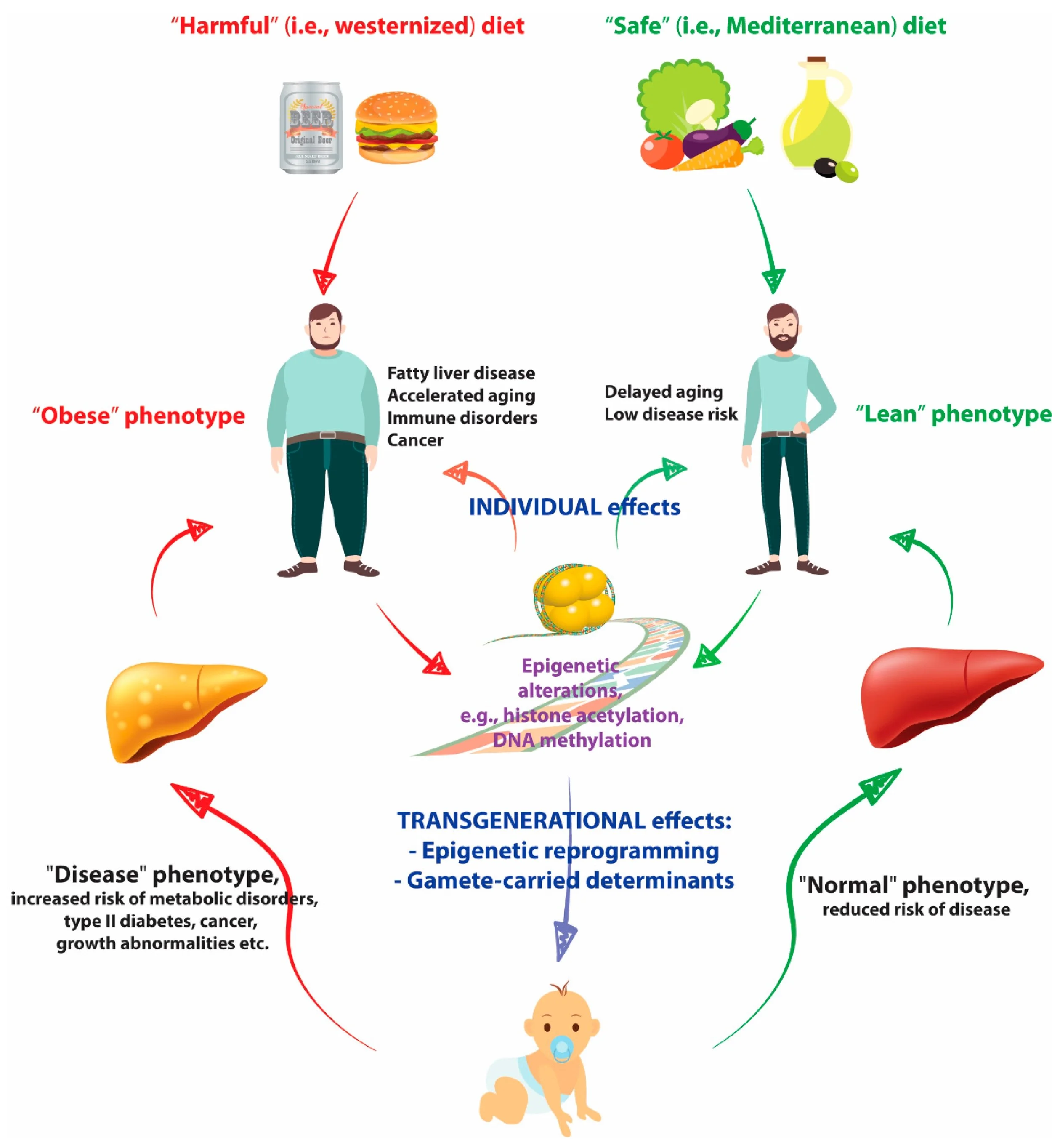
Tiffon, C. The Impact of Nutrition and Environmental Epigenetics on Human Health and Disease. Int. J. Mol. Sci. 2018, 19, 3425.
Metabolic Benefits of PBD
Metabolic syndrome is a group of conditions—including central fat deposition (think bear belly or spare tire around the waist), high triglycerides, low “good” HDL cholesterol, high blood sugar, high blood pressure. It is characterized by increased inflammation throughout the body and increased risk of heart disease and diabetes.
Research shows that whole food plant-based diets (WFPBDs) can help lower this risk. They are rich in fiber, vitamins, minerals, and plant compounds that help maintain a normal weight, and support heart and metabolic health, while being naturally low in calories and saturated fat. However, not all plant-based foods (Oreos for example) are equally healthy—highly processed foods with added sugar, salt, and unhealthy fats can increase disease risk.
To stay healthy on a whole food plant based diet, it’s important to get enough protein, iron, calcium, vitamin B12, vitamin D (depending on where you live), and omega-3 fatty acids. This is easily achieved by eating a variety of beans, legumes, nuts, seeds, and plenty of fruits and vegetables.
Studies of vegetarian populations, like Seventh-day Adventists, show that people following plant-based diets have lower cholesterol, blood sugar, waist size, and body weight—key factors for preventing heart disease and diabetes.
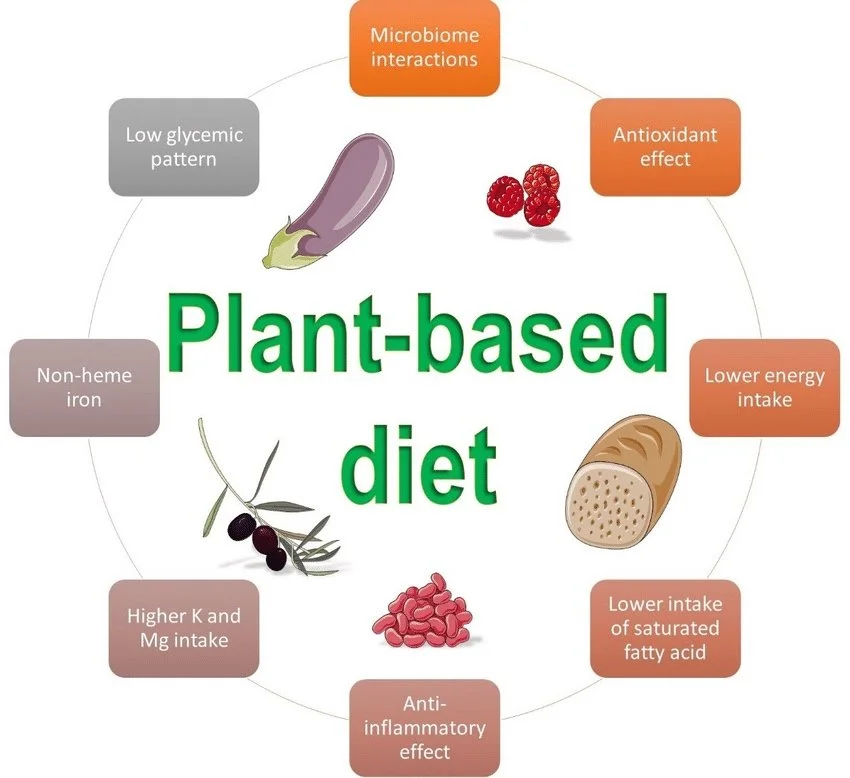
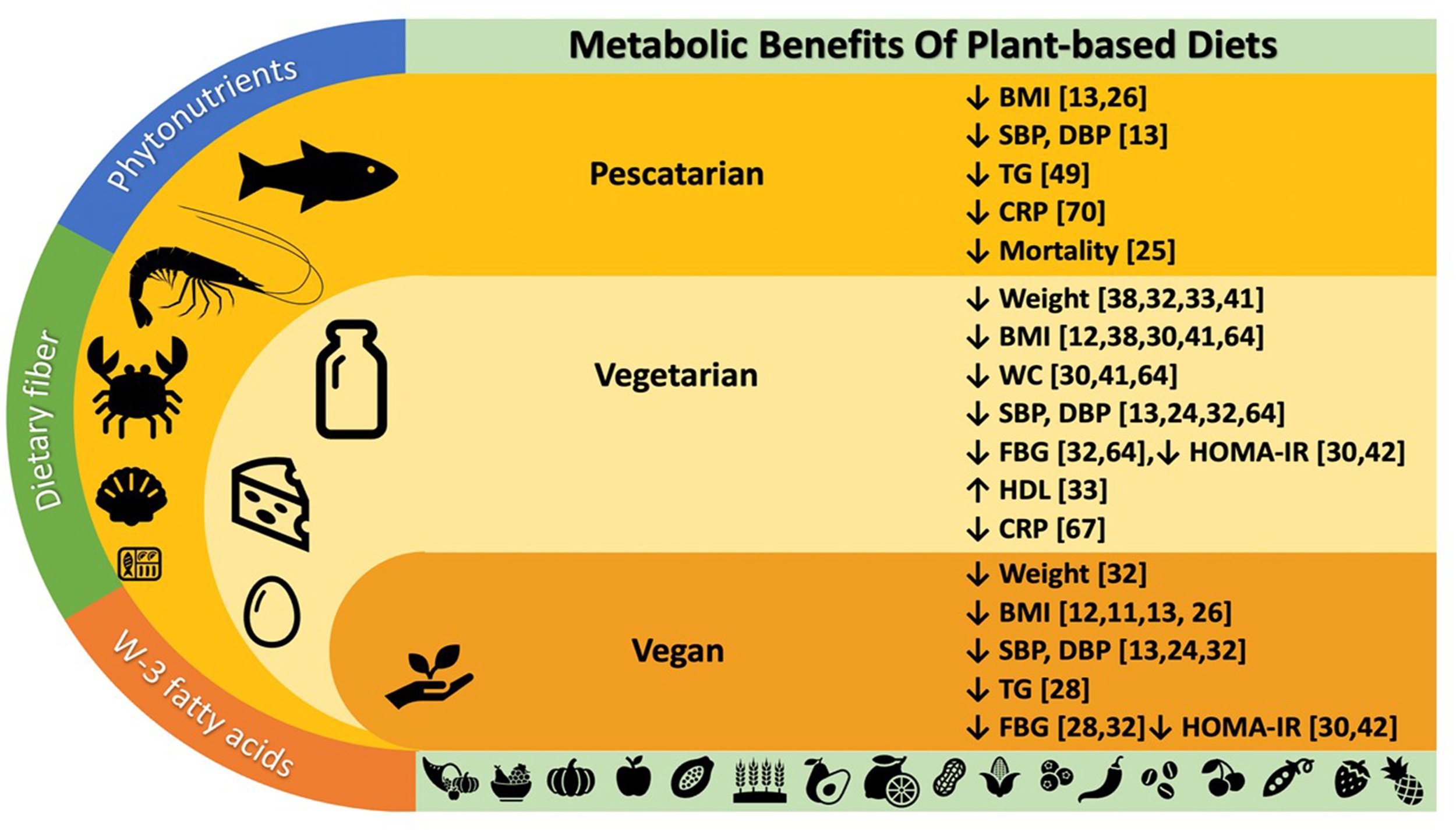
Thomas, MS, et al. Advances in Nutrition 14 (2023) 44–54
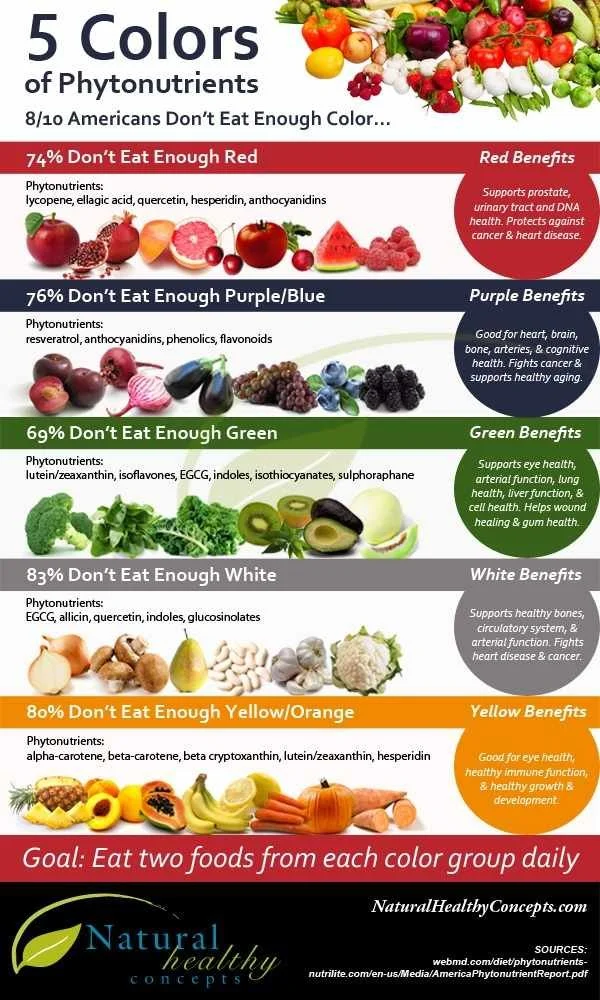
Key Plant Nutrients for Metabolic Health
Certain nutrients in plant foods can help prevent or improve metabolic syndrome and support heart health:
Dietary Fiber – Fiber is only found in plant foods - fruits, vegetables, whole grains, nuts, seeds, beans and legumes. Fiber fuels the healthy micro-organisms in our intestine which in turn lowers cholesterol, regulate hormones, improves immune function, and even helps regulate mood.
Omega-3 Fatty Acids– Omega-3 fatty acids are healthy fats that your body cannot make on its own, so you need to get them from your diet. These help reduce inflammation, lower triglycerides, support metabolic health, and improve brain function.
Types of Omega-3s:
ALA: (Alpha-Linolenic Acid) Found in plant sources like flaxseeds, chia seeds, walnuts, and green leafy vegetables. Your body can convert a small amount into the other omega-3s.
EPA and DHA: (Eicosapentaenoic Acid & Docosahexaenoic Acid) Found mainly in algae and fish that eat algae - ie fatty fish like salmon, sardines, and mackerel.
Polyphenols –Natural compounds found in many plant foods that act as powerful antioxidants. They help protect your cells from damage, and reduce inflammation. Including a variety of these foods in your diet can help lower blood pressure, improve cholesterol, regulate blood sugar, and protect against chronic diseases.
Common sources of polyphenols include:
Fruits (like berries, apples, grapes)
Vegetables (like onions, spinach, broccoli)
Nuts (like walnuts)
Spices and herbs (like turmeric, cinnamon, cloves)
Olive oil, tea, and dark chocolate
Flavonoids and Isoflavones –Polyphenolic compounds found in plant foods that exhibit antioxidant, anti-inflammatory, and cardio-metabolic protective effects by modulating key cellular pathways involved in oxidative stress, blood vessel function, and lipid metabolism.
Common sources include:
Flavonoids: Berries, apples, citrus fruits, onions, tea, and dark chocolate
Isoflavones: Soy products like tofu, tempeh, soy milk, and edamame
Carotenoids – Plant-derived pigments that act as potent antioxidants in the body. They help protect cells from oxidative stress, support immune function, and improve cardiovascular and metabolic health.
Key carotenoids and sources:
Beta-carotene: Carrots, sweet potatoes, pumpkin, spinach, kale
Lycopene: Tomatoes, watermelon, pink grapefruit
Lutein and Zeaxanthin: Leafy greens, broccoli, peas
Eating a variety of whole plant foods ensures you get these nutrients, supporting overall metabolic and cardiovascular health.