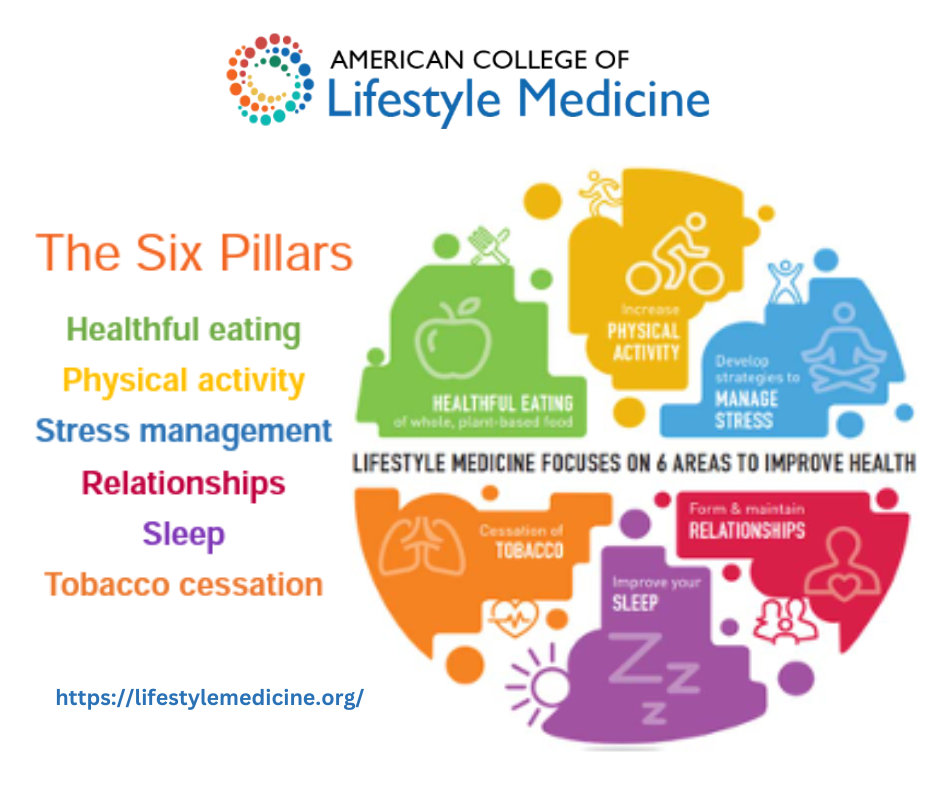
Lifestyle medicine uses science-based lifestyle changes as the foundation of care. It’s practiced by board-certified healthcare professionals trained to help prevent, treat, and in many cases even reverse chronic disease—by addressing the root causes, not just the symptoms.
Our approach focuses on six powerful habits that support healing and long-term health:
Eating mostly whole, plant-based foods
Moving your body regularly in ways you enjoy
Getting quality, restorative sleep
Learning effective ways to manage stress
Building and maintaining meaningful social connections
Avoiding tobacco and other harmful substances
These simple but powerful lifestyle habits form the foundation of our practice. By working together, we help you feel better, gain energy, and move toward lasting health and well-being.

Plant-Based Eating
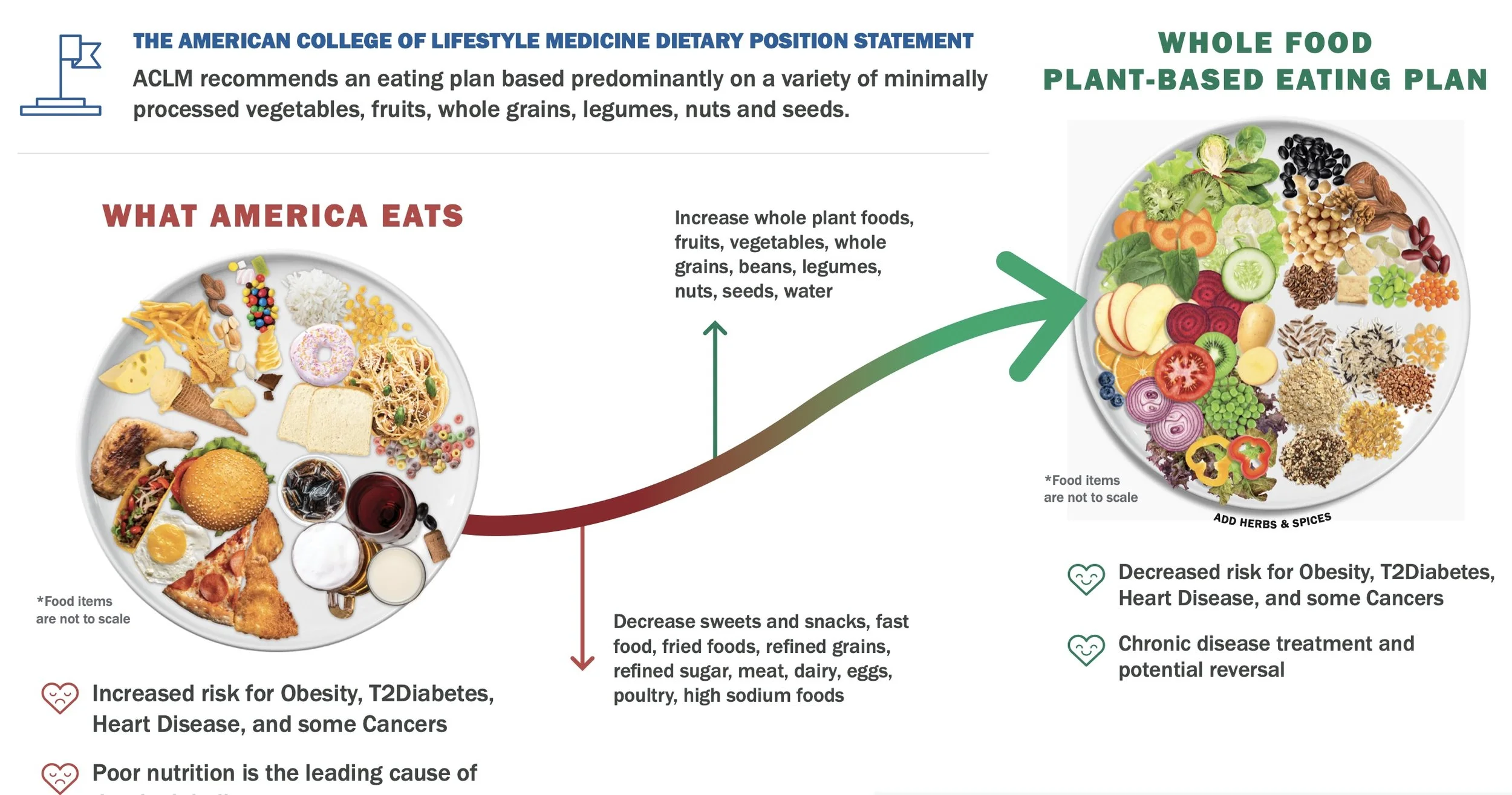
What we eat has a powerful impact on our health and our risk for chronic disease. The standard American diet (often called the SAD diet) is heavy in ultra-processed, highly palatable foods that can promote inflammation, weight gain, and metabolic dysfunction—factors that contribute to chronic illness and poor health. Many people following this way of eating face a double challenge: they don’t get enough essential nutrients while consuming too many calorie-dense, nutrient-poor foods.
A whole-food, plant-based way of eating offers a simple solution. By focusing on mostly whole plant foods—like fruits, vegetables, minimally processed whole grains, legumes (beans, lentils, peas, chickpeas), nuts, seeds, and mushrooms—our bodies will naturally be fueled with the nutrients we need to not only maintain health, but to thrive. This dietary pattern delivers essential proteins, healthy carbohydrates, vitamins, minerals, powerful anti-oxidants, and fiber, while minimizing highly processed, nutrient-poor foods that can harm long-term health.

Restorative Sleep
Why Do We Sleep?
Sleep remains one of the greatest mysteries in health science. From an evolutionary perspective, the fact that nearly all animals sleep—even though it makes them vulnerable and takes time away from eating or reproducing—shows just how essential it is for survival and well-being.
Sleep is a complex process involving many regions of the brain and is deeply connected to our physical, mental, and emotional health. High-quality sleep, with enough cycles of deep sleep and REM, helps our bodies consolidate memories, boost brain function, strengthen the immune system, balance hormones, and regulate key metabolic processes. In short, good sleep is foundational to feeling and functioning at our best.
What Happens When We Sleep?
The moment you drift off to sleep, a symphony of changes begins in your brain and body. Your body temperature slowly drops, brain activity quiets, and the rhythm of your heart and breathing slows. Throughout the night, you cycle through multiple sleep stages, each lasting 70 to 120 minutes, with each stage playing a vital role in restoring your body and mind.
Two key systems guide this nightly process: sleep-wake homeostasis and your circadian rhythm. Sleep-wake homeostasis is your body’s natural “pressure to sleep,” which builds the longer you stay awake. Your circadian rhythm, or internal body clock, follows a daily cycle—mainly influenced by light—helping regulate when you feel alert and when you feel sleepy. Together, these systems orchestrate the restorative power of sleep.
The Crucial Role of Healthy Sleep Practices
Lack of sleep—whether occasional or chronic—can affect both your body and mind. Poor sleep, whether from habits or conditions like insomnia and sleep apnea, can impact every part of your life. For adults, sleep deprivation is linked to an increased risk of heart attack and stroke, difficulties with memory and focus, metabolic problems like insulin resistance, and emotional challenges such as mood swings or irritability.
Restoring healthy sleep takes more than just going to bed earlier. It involves a holistic approach, including consistent sleep and wake times, supportive daily habits, and creating a sleep-friendly environment. Avoiding common disruptors like alcohol, caffeine, and excessive screen time in the evening can make a big difference in helping you get restorative, high-quality sleep.

Staying Active
Harnessing the Power of Exercise for Optimal Health
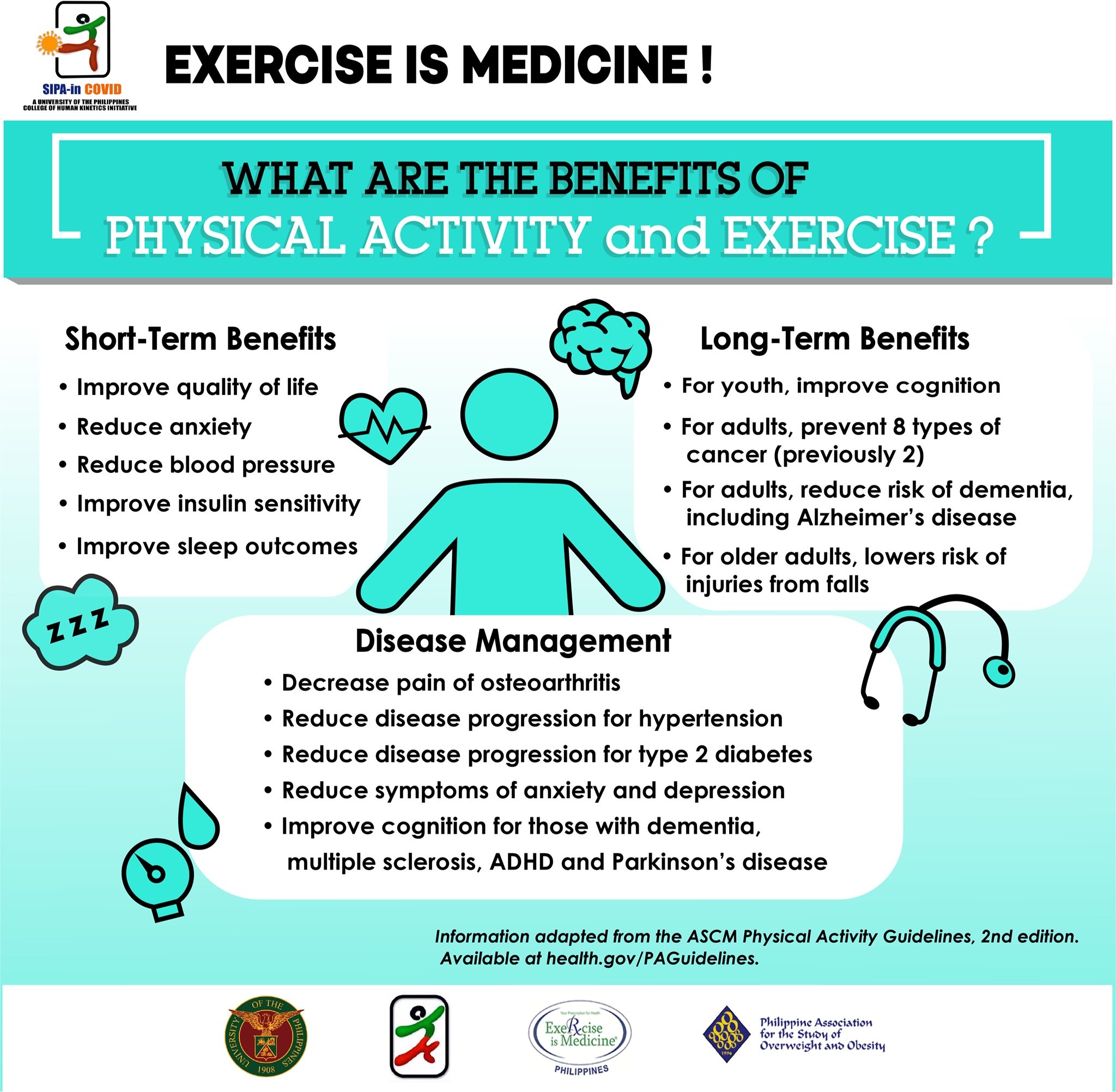
Exercise is one of the most powerful tools we have for preventing and managing chronic disease, slowing age-related decline, and maintaining strength and independence. When done consistently, it’s a true pathway to vitality as we age.
In today’s world, where long hours of sitting have become the norm, many people face increased health risks. Research over decades shows just how transformative regular exercise can be—especially for heart health, the leading cause of disability and premature death in the U.S.
To reflect on your own habits, ask yourself:
How often do I do moderate to vigorous exercise each week?
How long do my workouts usually last?
How often do I include strength training?
How often do I work on flexibility and balance?
How much time do I sit in a day?
How active am I when not exercising?
Answering these questions can help you identify areas to improve and build a more balanced, health-supporting routine.
Remember any amount of exercise is better than none! Research shows that the largest health benefit from exercise is seen in people who are completely sedentary when they start exercising just 15 minutes a day.
5 Key Components of Fitness
Good health involves several key areas of fitness: heart and lung health (cardiorespiratory fitness), muscle strength and endurance, flexibility, balance, and body composition. Focusing on all of these helps you stay strong, mobile, and resilient as you age.
Cardiovascular Exercise
Aim for 150–300 minutes of moderate-intensity or 75–150 minutes of vigorous-intensity aerobic exercise per week. This includes walking, biking, swimming, and sports like basketball, tennis, golf (without the motorized cart). How long and how hard you exercise should match your fitness level and goals.
Strength Training
Build and maintain muscle with guided weight or resistance exercises 2–3 times per week. Heavier weight lifting requires proper guidance to avoid injury, if you’re new to it. Learning correct form, how much weight to use, and how to structure workouts is key to preventing injury and making progress.
Flexibility
Stretch regularly (2–7 days/week) to keep joints and muscles mobile, especially the hips and pelvis. Stretching and mobility work are essential for keeping joints healthy and preventing injury.
Balance
Practice stability exercises like yoga, Tai Chi, or single-leg movements at least twice a week to prevent falls.
Body Composition – Maintain a healthy balance of muscle and fat through activity and nutrition.
Consequences of Sedentary a Lifestyle
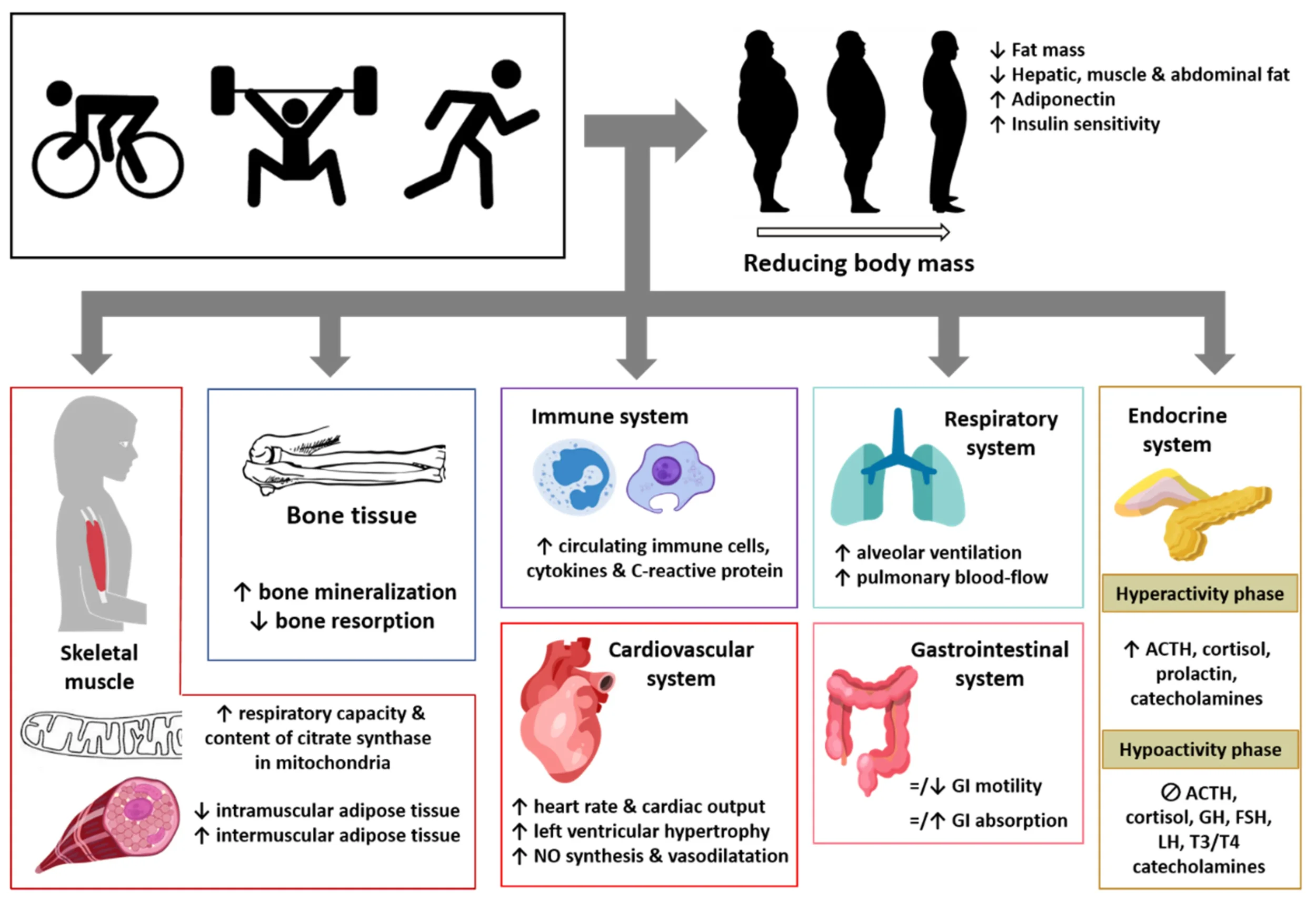
Verdú, E., et al. Int. J. Environ. Res. Public Health 2021, 18, 13333.
Bone Health
Our bones are living, dynamic tissues that get stronger when “challenged” by physical stress. Exercise that applies force—either through impact (like running, jumping, or plyometrics) or resistance (like weightlifting)—stimulates bone-building cells and helps maintain strength and resilience.
Different exercises strengthen different areas of our skeleton: impact activities improve bone density in the femoral neck (a common site of fracture when older individuals fall), while resistance training benefits the spine and overall hip. Combining both types of exercise can help strengthen bones throughout the body, reducing his of osteoporosis and fractures.
For those with osteopenia or osteoporosis, high-impact or twisting exercises should be done carefully under professional supervision. Using mats, resistance bands, or modified movements can make these exercises safer while still benefiting bone health.

Physiological Impact of Chronic Stress
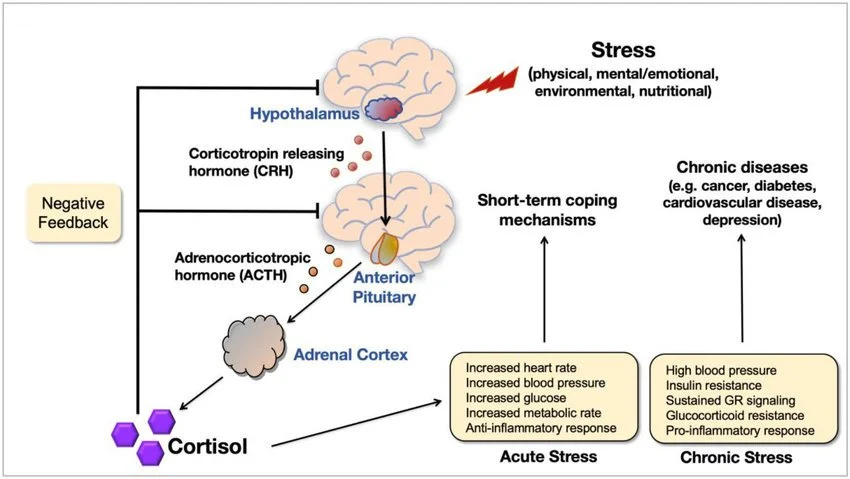
Stress is a constant part of life, triggering strong emotional and physical reactions in the body. While short-term stress can be helpful, chronic poorly managed stress can overwhelm your system and affect your physical and mental health.
Poor stress management can contribute to problems like anxiety, depression, trouble with memory or focus, and even cancer and heart disease. It affects the nervous system, hormones, and immune system, showing just how deeply stress can impact overall well-being.
Harnessing the Power of Mindfulness
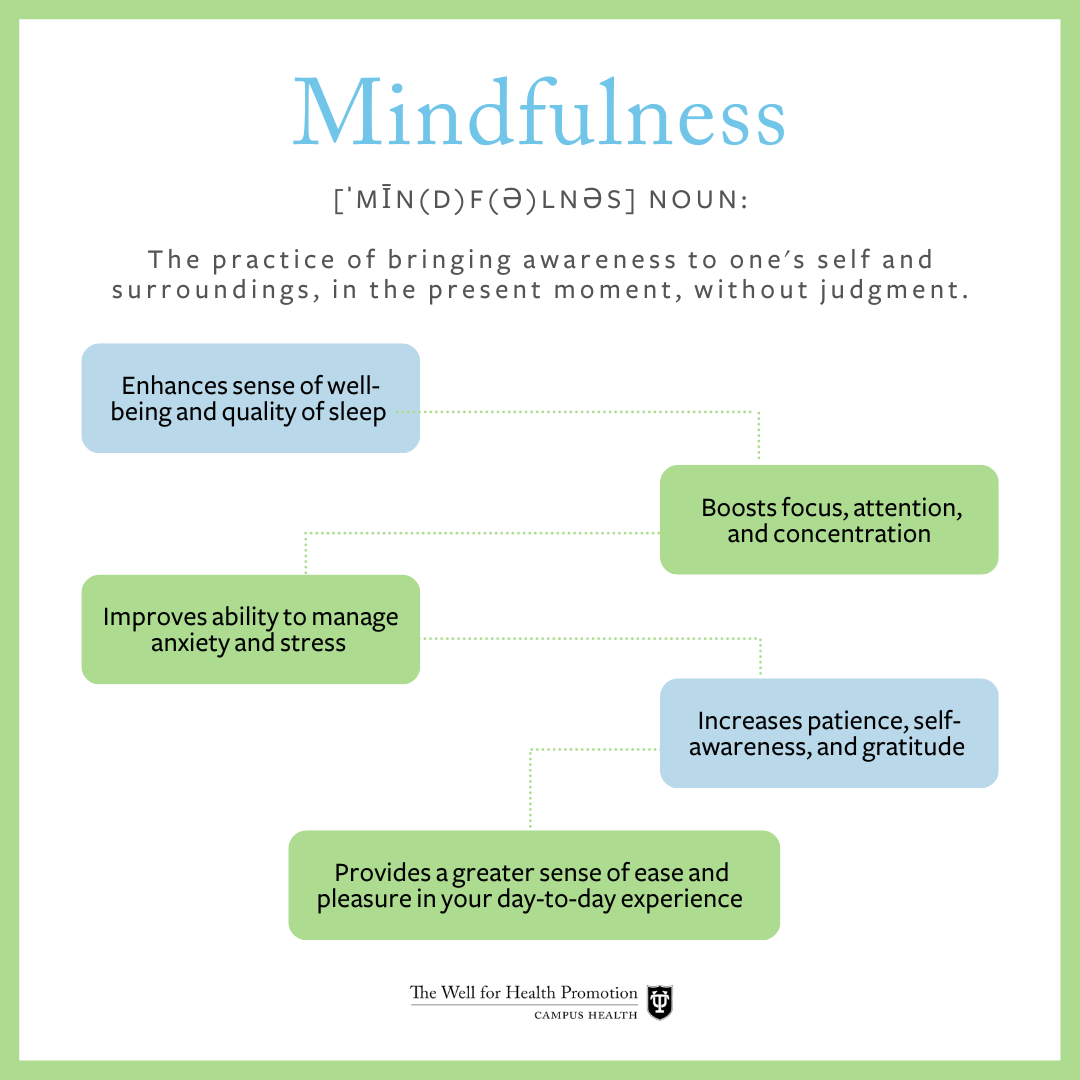
Mindfulness is the practice of paying full attention to the present moment, with intention and without judgment. It means noticing your thoughts, feelings, bodily sensations, and the surrounding environment as they are, rather than getting lost in the past or worrying about the future.
Decades of research show that mindfulness can lower stress and anxiety, improve focus and self-awareness, regulate emotions, and even help with conditions like depression, chronic pain, high blood pressure, and weight management.
Mindfulness practices include:
Breathing – Paying attention to your breath, noticing each inhale and exhale.
Body Scan – Slowly focusing on different parts of your body, noticing sensations without judgment.
Mindful Walking – Walking slowly and noticing the feeling of your feet on the ground and your surroundings.
Meditation – Sitting quietly and observing your thoughts, emotions, or sounds without reacting.
Journaling – Writing down thoughts and feelings to increase self-awareness.
Stress Management
Cancer health disparities: 4.